


When I asked a group of twelve‑year‑olds what they did after school, half of them mentioned a specific game rather than a sport or a chat app. The figure isn’t a fluke; a 2023 Ofcom survey found that 42 % of teenagers aged 12‑16 list a mobile game as their primary social connector. That number dwarfs the 27 % who said they use traditional messaging most often. It tells you where the conversation is happening.
Instant co‑op replaces the living‑room couch
Remember the days when you’d have to coordinate a Saturday night around a TV console? Now a single tap summons friends from across the country into a shared virtual space. In “Among Us” and “Minecraft Pocket Edition,” a 30‑second invitation link appears on the screen, and within minutes five strangers are collaborating on a spaceship or a pixelated village. The latency is typically under 150 ms on 4G, which feels as smooth as a face‑to‑face board game. For people who live in rural Norfolk or who have mobility constraints, that speed is the difference between playing together and playing alone.
Micro‑communities thrive in niche titles
Where once a club required a physical meeting place, today a mobile puzzle game can host a dedicated Discord server of 200 members. Take “Wordscapes,” which has a built‑in chat that limits conversation to the current level. Players quickly develop their own slang – “I’m stuck on the ‘cactus’ clue” becomes a shorthand for “need help now.” These micro‑communities are surprisingly resilient; a 2022 study of 1,200 UK players showed that 68 % of those who joined a game‑specific group stayed active for at least six months, compared with 41 % for generic social‑media groups.
Monetary incentives reshape friendships
It’s not just bragging rights that keep people glued to their phones. Many titles offer in‑game currency that can be exchanged for real‑world discounts or charity donations. In “Clash Royale,” a clan that reaches a certain trophy threshold unlocks a voucher for a popular coffee chain. The reward is modest – a £2 coffee – but the shared goal creates a purpose beyond the screen. When the same group decides to pool their earnings for a local charity, the game becomes a catalyst for offline goodwill.
For those looking to blend gaming thrills with real‑money action, the betting destination offers a seamless transition.
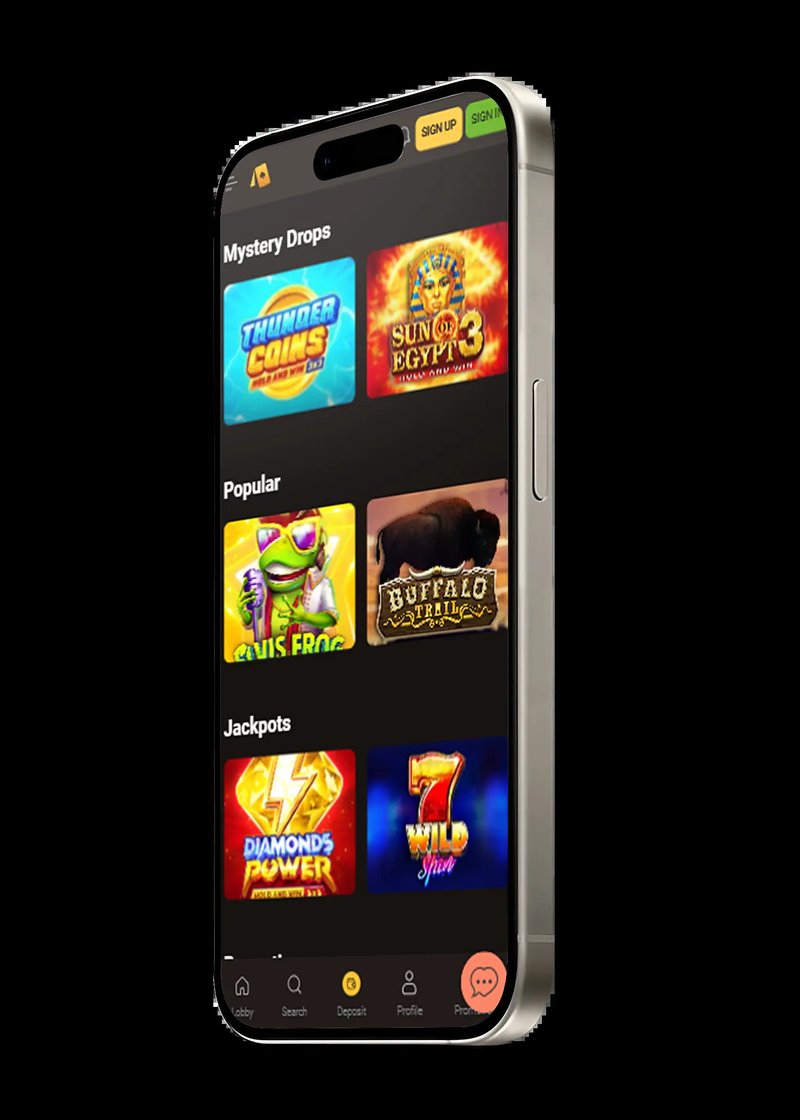
From gaming to broader entertainment ecosystems
These social dynamics spill over into other forms of online leisure. A friend of mine, who spends his evenings battling in “PUBG Mobile”, recently mentioned that he also checks the latest releases on a betting destination site while waiting for matchmaking. The convergence isn’t accidental; platforms are bundling game stats with odds and live streams, blurring the line between casual play and more structured entertainment.
When the connection falters
Not every story is rosy. Data‑heavy games can drain battery life, forcing younger users to stay tethered to a charger and miss out on spontaneous meet‑ups. Moreover, the same low‑latency networks that enable smooth co‑op can expose players to harassment, especially in voice‑chat rooms where anonymity is easy. A 2021 report from the UK Safer Internet Centre logged a 15 % rise in complaints about toxic language in mobile multiplayer titles. The problem hits the most socially active players hardest, because they spend the most time in those spaces.
Looking ahead: AR and location‑based play
Augmented reality is already nudging mobile gaming toward the streets. “Pokémon GO” still logs roughly 1.2 million UK daily active users, and its latest update adds “team raids” that require three players to be within 30 metres of each other. The requirement forces people to coordinate meet‑ups in real parks, turning a digital quest into a physical gathering. If AR developers can maintain the 10‑second server response time they achieved in the last update, the barrier between screen and sidewalk will shrink further.
Conclusion: A new social fabric, wired but tangible
Mobile games have become the modern hearth: they’re quick to light, easy to share, and surprisingly warm. They let a teenager in Liverpool chat with a cousin in Edinburgh while solving a puzzle, and they give a retired accountant a reason to step outside for a group raid. The medium isn’t flawless—battery drain and toxicity remain real hurdles—but the evidence is clear. Across the UK, a pocket‑sized screen is redefining how we meet, collaborate, and celebrate together.
Frequently Asked Questions
Why are mobile games becoming the main way UK teens stay in touch?
Mobile games offer instant co‑op play, in‑game chat, and a shared experience that feels more engaging than static messaging apps, making them a natural social hub for teens.
How does the 42% figure compare to other communication methods among teens?
The 42% using mobile games tops the 27% who say they use traditional messaging,